From Homespun Survival to Hot Glue Rebellion
There is something intimate about cutting into fabric.
Before the first snip, it is potential. After, it is a decision. You cannot undo it. You have declared that this garment will belong to you now. Not the factory. Not the brand. Not the mannequin in a department store window. You.
DIY fashion has always lived in that moment of decision. It is what happens when people refuse to wait for permission to dress themselves.
History shows a pattern. Every time fashion becomes too expensive, too restrictive, too uniform, or too controlled, we start sewing again.
Before Fashion: When DIY Was Survival
Before trend cycles and thrift flips, clothing was labor.
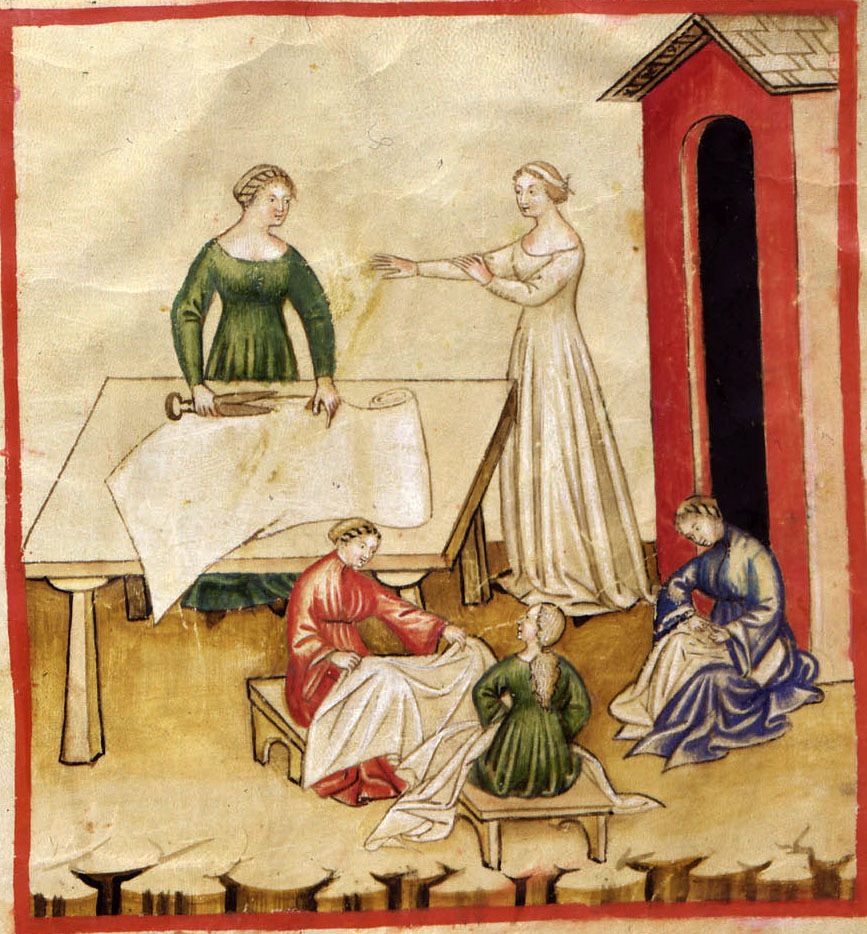
For most of human history, garments were handmade in the home. Medieval households spun wool, dyed linen, and stitched by candlelight. In colonial America, homespun fabric was both economic necessity and quiet political resistance. Sewing was not a hobby. It was infrastructure.
Clothing was personal because it had to be.
There were no aesthetics. There were no microtrends. There was only what you could make, mend, or pass down.
DIY was not rebellion yet.
It was survival.
Industrialization: When Fashion Left the Home
The nineteenth century transformed clothing production.
The Industrial Revolution introduced mass manufacturing. Ready to wear garments became increasingly accessible. Standardized sizing emerged. Department stores glittered with abundance.
For the first time, identity could be purchased off a rack.
Home sewing did not disappear, but it shifted. It became optional.
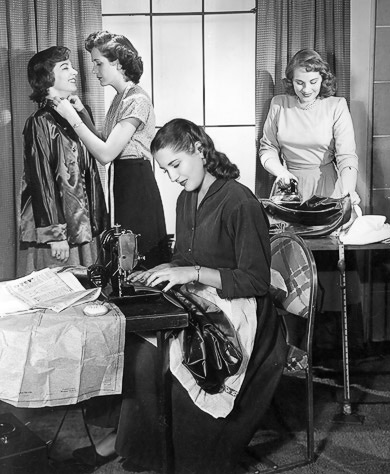
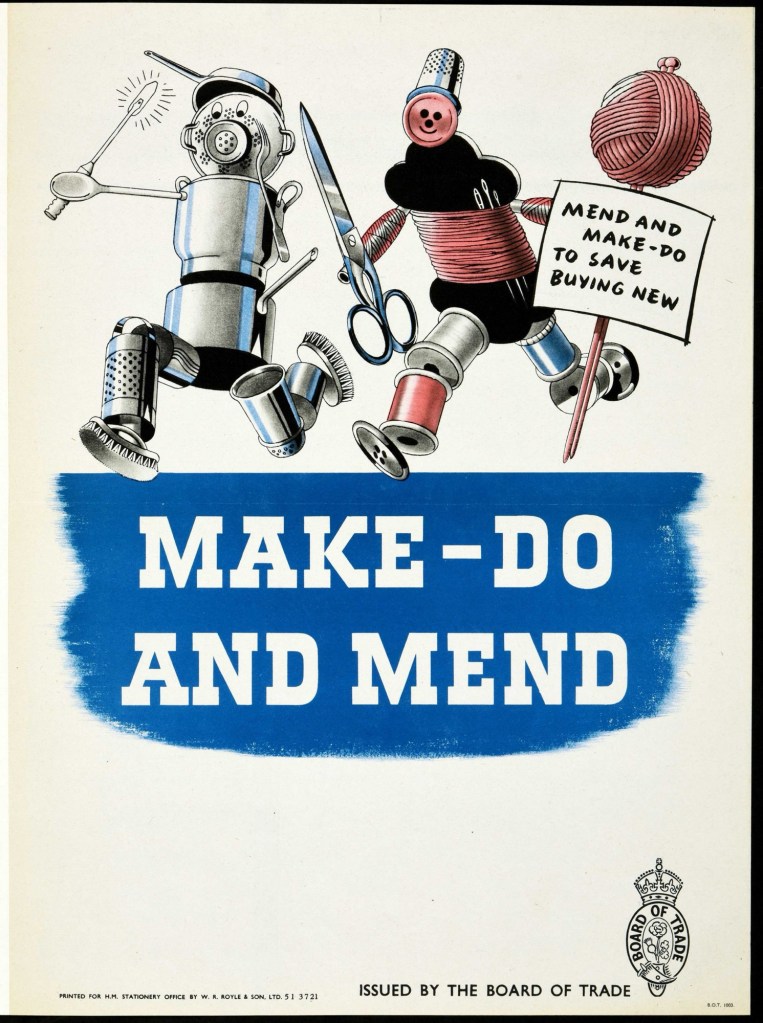
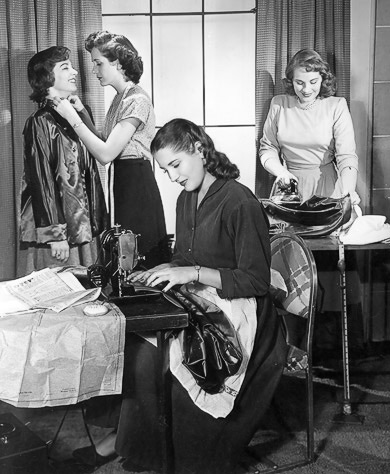
Yet whenever the economy fractured, DIY returned. During the Great Depression, garments were remade and repurposed. During World War II, Make Do and Mend campaigns encouraged women to rework old clothing into new silhouettes. Fabric rationing forced creativity.
DIY became resilience again.
It is not a coincidence that handmade fashion resurfaces during instability.
When systems strain, the needle comes back out.
The 1960s and 1970s: DIY as Counterculture
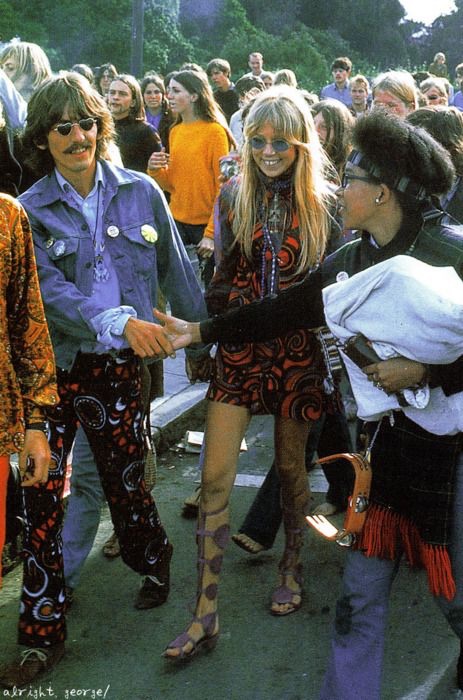
By the late 1960s, DIY transformed from necessity into statement.
Patchwork denim. Hand embroidery. Crochet tops. Hand dyed fabrics swirling in psychedelic color. The anti war generation rejected corporate conformity, and their clothing reflected it.
Making your own garments meant rejecting sameness.
It meant opting out of polished department store femininity.
DIY became ideological. It said I will not dress like the system that disappoints me.
The handmade garment was no longer about scarcity.
It was about autonomy.
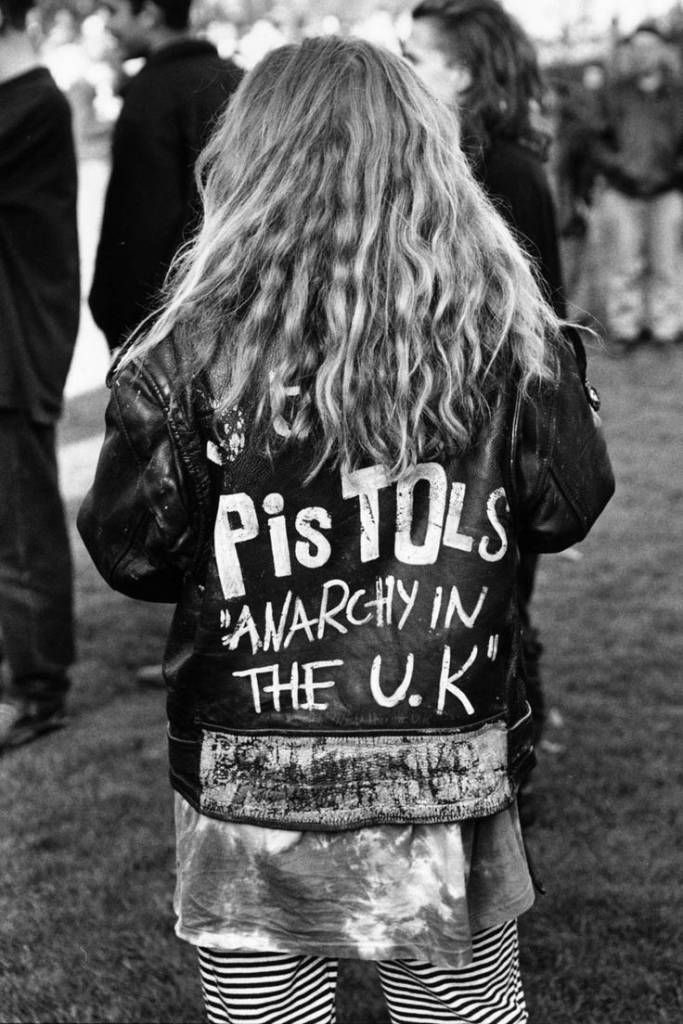
Punk: DIY as Defiance
If the seventies made DIY expressive, punk made it confrontational.
Ripped shirts held together by safety pins. Bleached slogans. Slashed tights. Handwritten manifestos scrawled across cotton.
The clothing looked unfinished and aggressively so.
Designers like Vivienne Westwood helped bring punk aesthetics into wider fashion consciousness, but the origin was street level customization. Teenagers altered what they could afford and intentionally disrupted polish.
Punk DIY declared that imperfection was political.
A ripped hem said more than a pristine seam ever could.
It rejected the idea that you needed to buy more to become more.
You could destroy something and in doing so create something sharper.
The 1990s: Riot Grrrl and Feminist Making
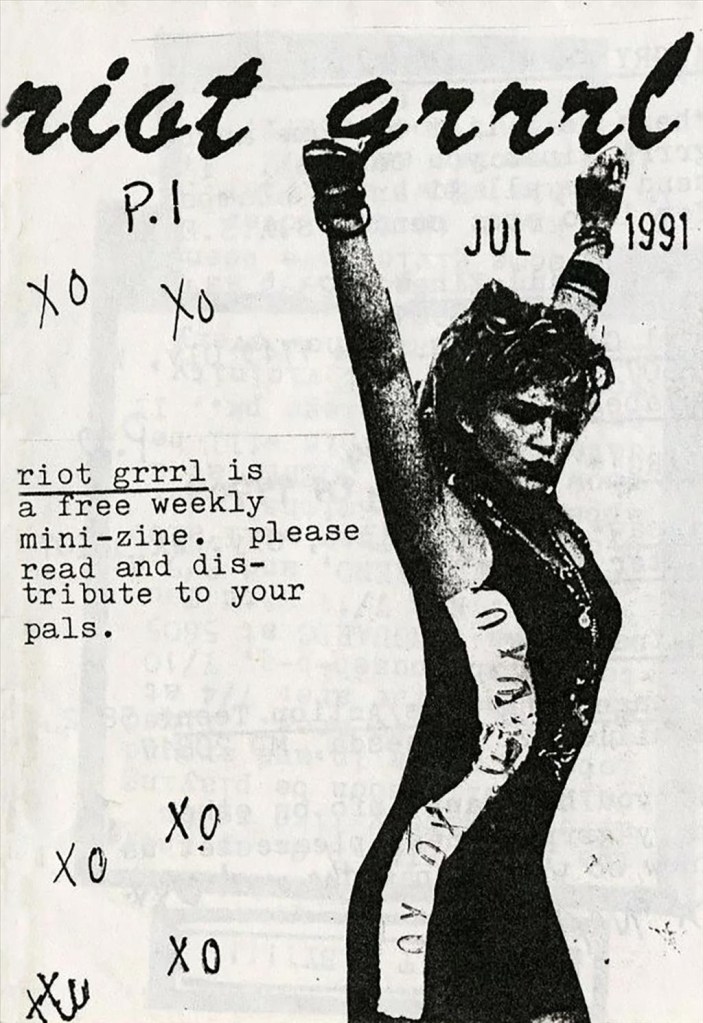
In the 1990s, DIY fashion intertwined with feminist zine culture and underground music scenes.
Band tees were cut and reassembled. Patches were sewn by hand. Thrifted slip dresses were layered over baby tees. Clothing was not just styled. It was altered.
DIY allowed women to control how they presented themselves outside of male dominated fashion systems.
It mirrored the cut and paste aesthetic of zines. Imperfect. Urgent. Handmade.
To stitch your own patch onto a jacket was to claim narrative authority.
You were not waiting to be marketed to.
You were constructing your own mythology.
The 2000s Craft Revival and the Internet Era
Then came the digital age.
Platforms like Tumblr and later Pinterest turned DIY into shareable aesthetic performance.
Galaxy leggings. Lace shorts. Studded collars. Bleached flannels. Cut up band tees. Safety pin corsetry.
DIY tutorials circulated globally. Inspiration boards replaced local subculture.
Customization became content.
The girl in her bedroom with fabric scissors and a hot glue gun was no longer isolated. She was connected.
DIY became less about exclusivity and more about aesthetic self branding.

2010s to Now: Sustainability and the Thrift Flip
Today DIY fashion intersects with climate anxiety and economic precarity.
Fast fashion fatigue has pushed younger generations toward thrift stores. Upcycling, patchworking, and reconstruction are no longer fringe practices.
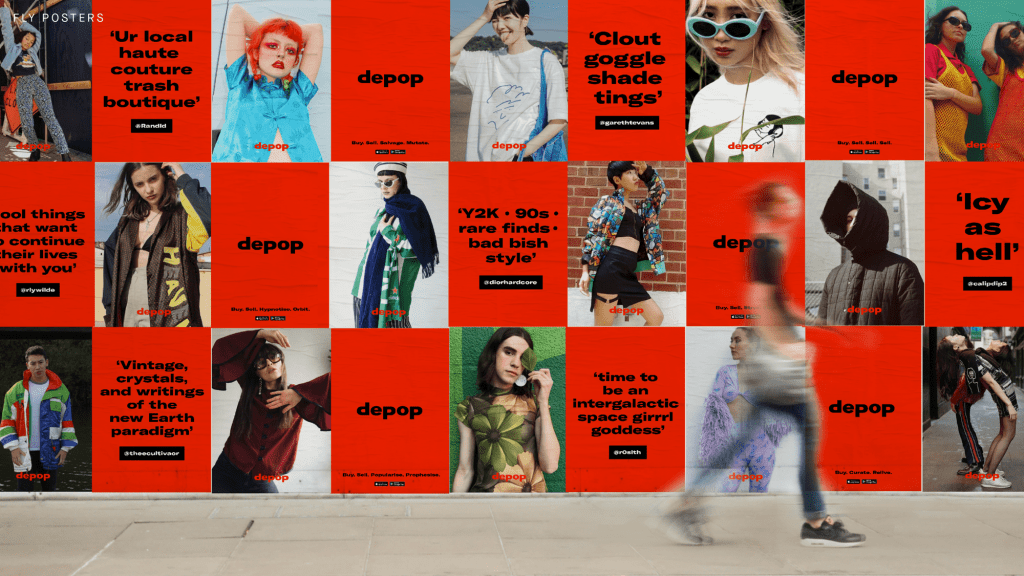
Apps like Depop have transformed DIY into micro entrepreneurship. A reconstructed corset made from vintage tablecloths can circulate globally within hours.
DIY now sits at a complicated crossroads.
It resists fast fashion.
It feeds resale economies.
It fuels personal branding.
It lives on social media.
The act of sewing has become both ethical choice and aesthetic signature.
The Pattern Beneath It All
Across centuries, one pattern repeats.
DIY fashion resurfaces when people feel disconnected from mass production.
When clothing becomes too expensive, too standardized, too exploitative, or too politically neutral, we pick up the needle.
DIY fashion is not just craft.
It is a pressure valve.
It is what happens when identity cannot be purchased.
It is what happens when women and marginalized communities decide they will not wait for the runway to validate them.
It is domestic labor turned into quiet rebellion.
The Intimacy of Altering
There is something radical about altering your own clothes.
It requires touch. Time. Attention. Mistakes.
You measure yourself against fabric. You learn your proportions. You learn your patience.
Mass production teaches us to adapt to garments.
DIY teaches garments to adapt to us.
And perhaps that is why it never truly disappears.
Because at its core, DIY fashion is not about trends.
It is about ownership.
Ownership of image.
Ownership of labor.
Ownership of self.
And as long as fashion tries to tell us who to be, someone somewhere will always be cutting up a shirt and starting over.


Leave a Reply