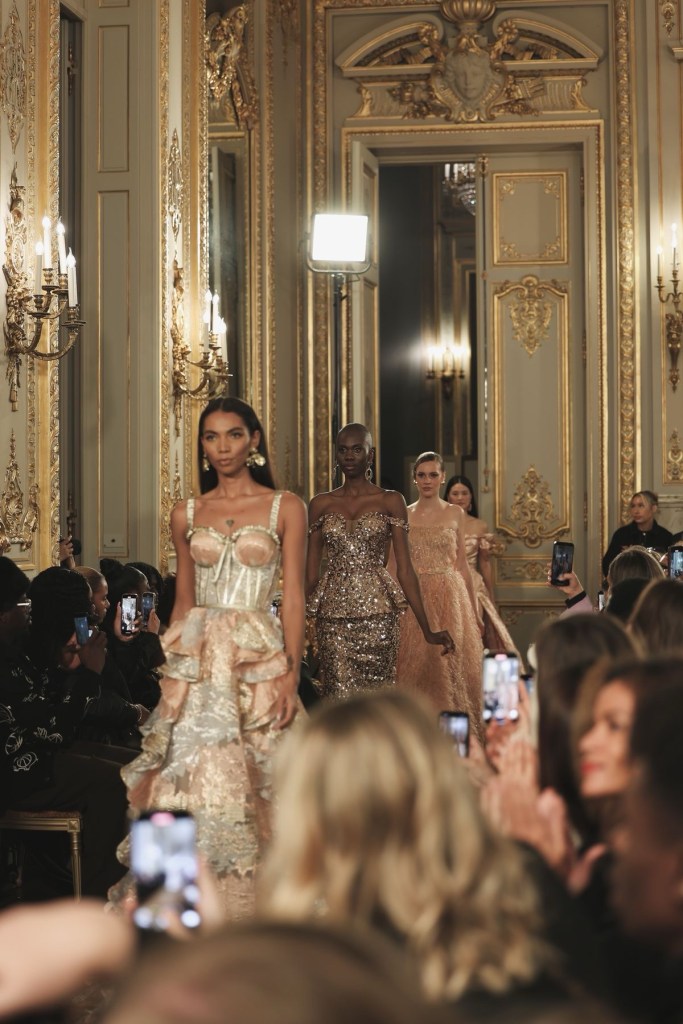
There is something almost theatrical about high fashion runways. The lighting, the music, the pacing, the way models move like they are part of some larger story. And then the clothes, which half the time feel completely disconnected from what anyone would actually wear to class, to dinner, or even to a party. It raises a very fair question:
Why is it all so over the top?
The short answer is that it is supposed to be.
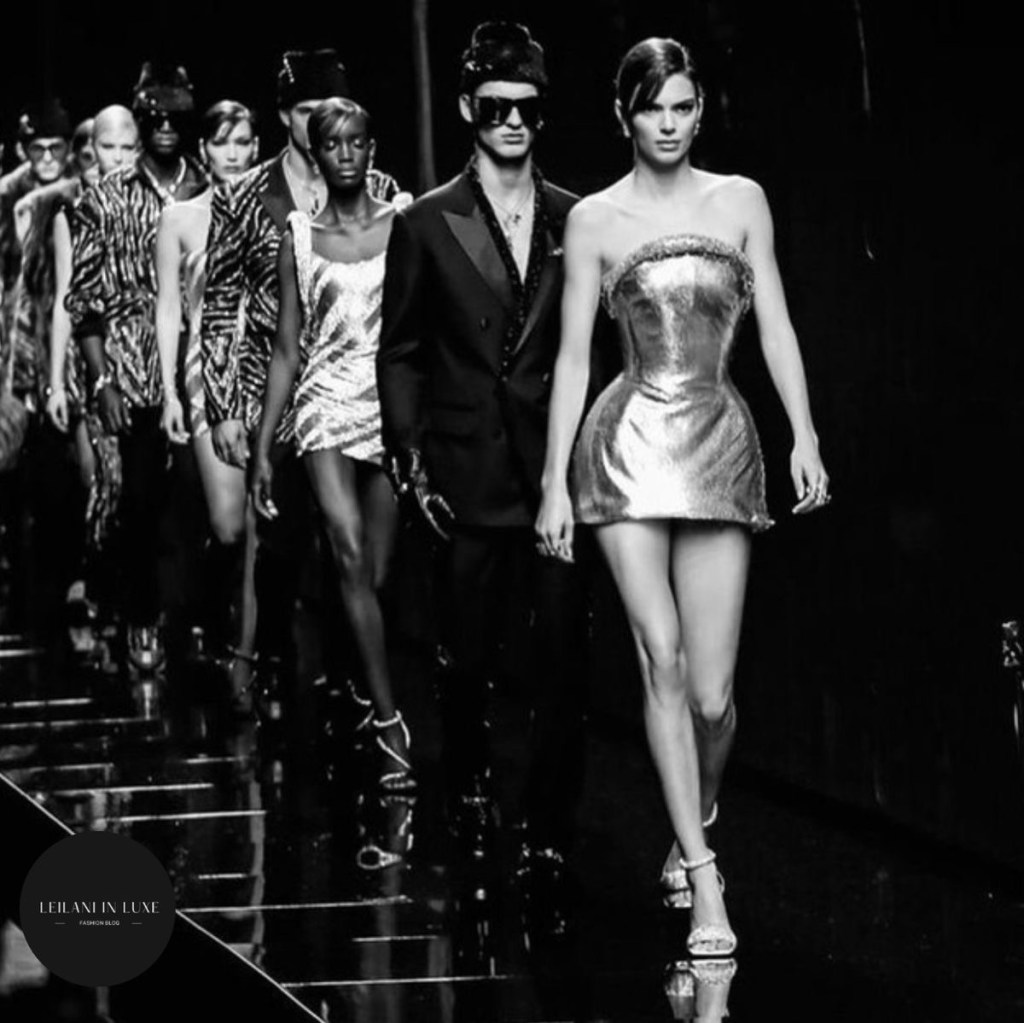
Runways were never meant to function like a store rack. They are not catalogs. They are not meant to show you ten realistic outfits you can copy and paste into your life. They are closer to performance art than shopping. Once you start looking at them that way, everything begins to make a lot more sense.
If you go back to early fashion presentations, they were actually pretty quiet. In the early 1900s, designers would show clothes in salons to small groups of wealthy clients. Models would walk slowly through a room while people sat and observed. It was intimate and controlled. But as fashion grew into a global industry, especially after World War II, designers needed bigger stages.
They were no longer just dressing individuals. They were building brands, identities, and entire worlds.
That is where the spectacle begins.
By the time you get to modern fashion weeks like New York, London, and Milan, the runway has become a storytelling device. Designers are not just showing a dress. They are presenting a mood, a philosophy, sometimes even a critique of society. A collection might be about excess, or restraint, or nostalgia, or rebellion. The clothes are just one part of that message.
And because the message needs to travel, it has to be loud.
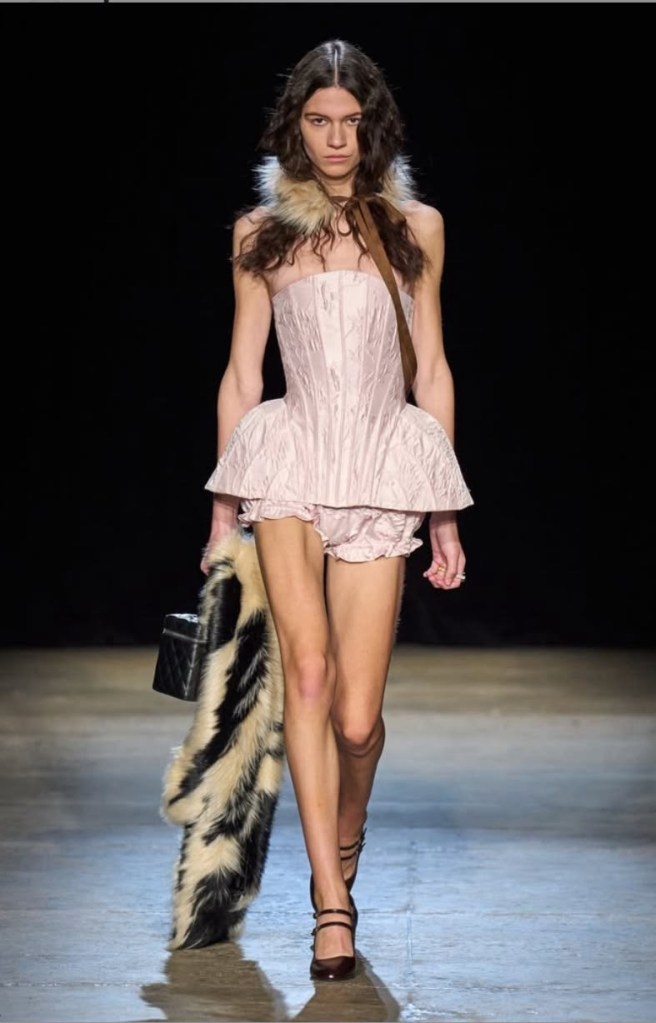
Think about it. A runway show is competing for attention in a world where everyone is scrolling. Editors, buyers, influencers, and now millions of people online are all seeing these looks within minutes. If a collection is subtle to the point of blending in, it disappears. But if it is dramatic, exaggerated, or even a little confusing, it sticks in your mind.
That is why proportions get pushed. Sleeves get bigger. Heels get higher. Shapes become sculptural. Colors become louder. It is not because designers think you are going to walk into class wearing a ten foot tulle structure. It is because they are translating an idea into its most visible, undeniable form.
There is also a very practical side to this, believe it or not.
Runway looks are often not meant to be worn exactly as shown. They are more like the extreme version of a concept. Later, that concept gets toned down into ready to wear pieces. A massive layered gown might turn into a simpler dress with the same fabric or silhouette. An exaggerated shoulder might become a slightly structured blazer.
The runway is the blueprint, not the final product.
It is kind of like sketching with bold lines before refining the drawing.
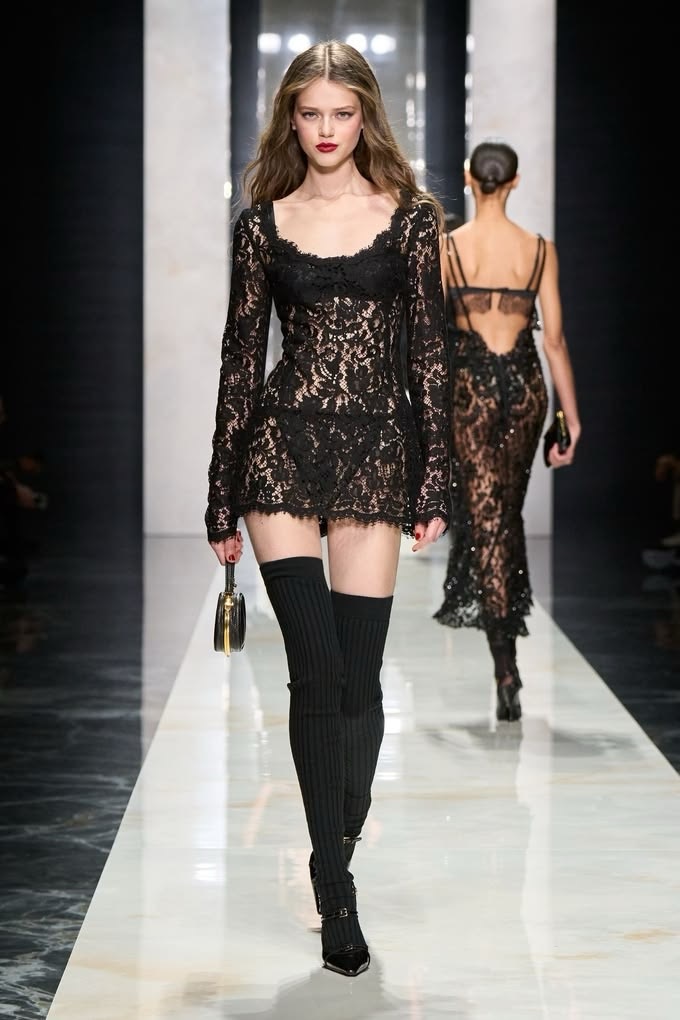
Another layer to the drama is its status. Fashion has always had a relationship with exclusivity and fantasy. When something feels unattainable, it becomes more desirable.
The outlandish nature of runway looks creates a sense of distance between everyday life and high fashion. That distance is part of what gives luxury its power.
At the same time, it invites interpretation.
People take inspiration from these shows in smaller ways. Maybe it is a color combination. Maybe it is the way fabrics are layered. Maybe it is the attitude. You do not copy the look directly. You absorb it and translate it into your own life, your own wardrobe, your own version of the story.
And honestly, there is also just an element of joy in it.
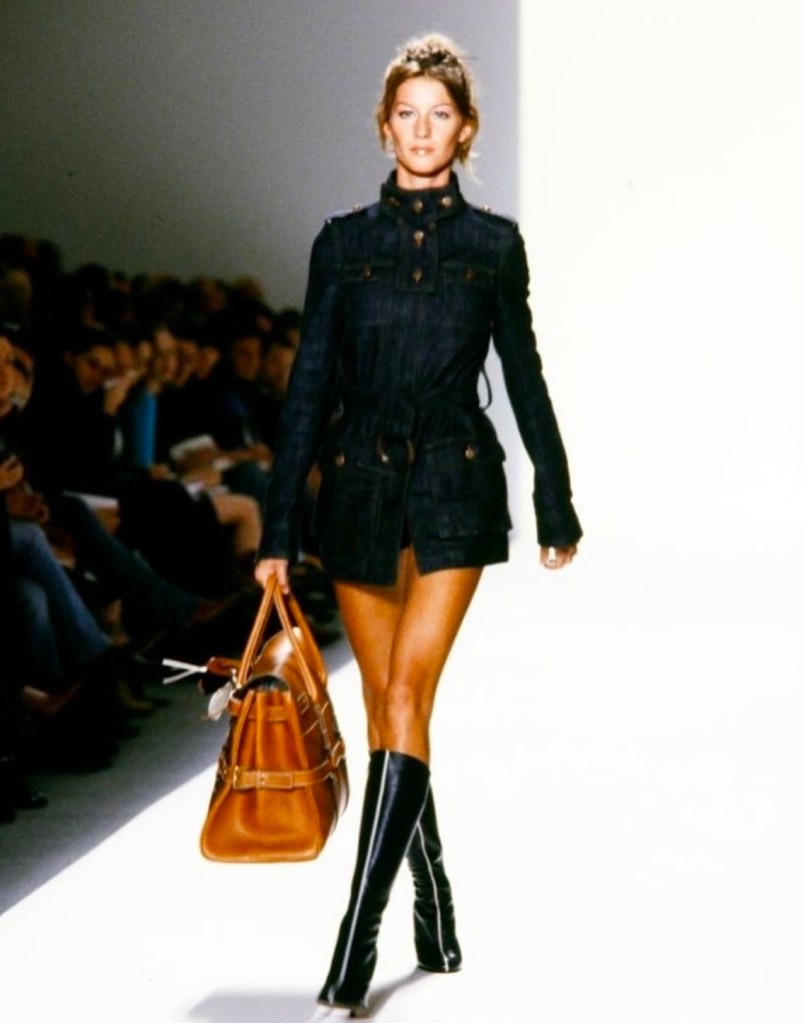
Fashion is one of the few industries where you are allowed to be a little ridiculous on purpose. A runway can be dramatic, surreal, even a little impractical, and that is not a failure. That is part of the magic. It gives designers a space to experiment without limits, and it gives us something to react to, whether that is love, confusion, or complete obsession.
So when you see a look that feels too much, that is usually the point.
It is not asking, would you wear this. It is asking, what does this make you feel, and how far can fashion go before it stops being just clothing and becomes something closer to art.
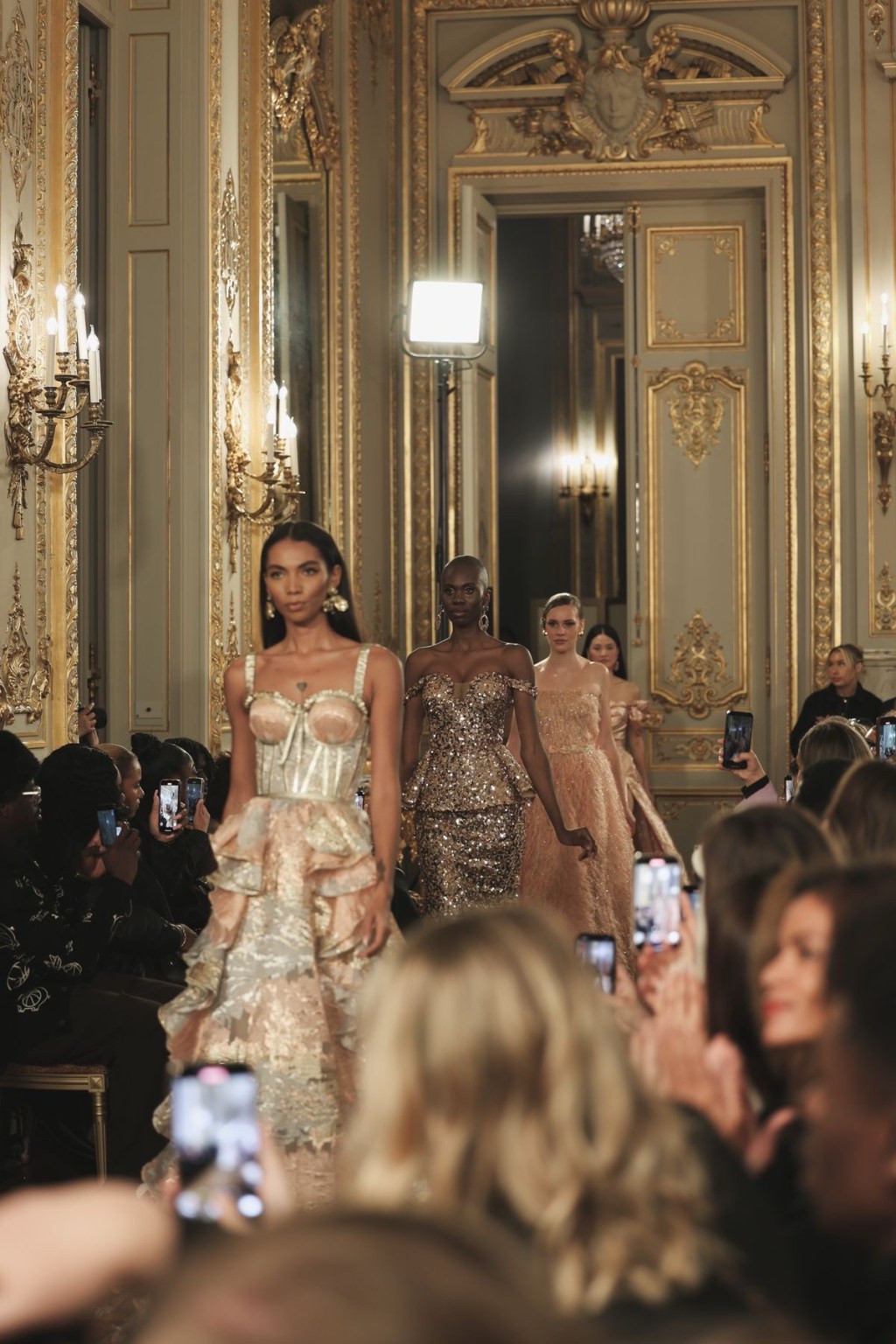
 stardust and lace
Leave a comment